Directing
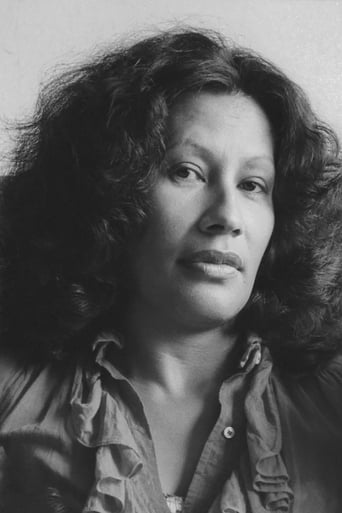
Merata Mita
Born June 19, 1942 · Maketu, New Zealand
Died May 31, 2010 · aged 67
Merata Mita, CNZM was a New Zealand actress and filmmaker, as well as a key figure in the growth of the Māori screen industry. Mita was from the Māori tribes of Ngāti Pikiao and Ngāi Te Rangi.
Known For
 Boy · 2010
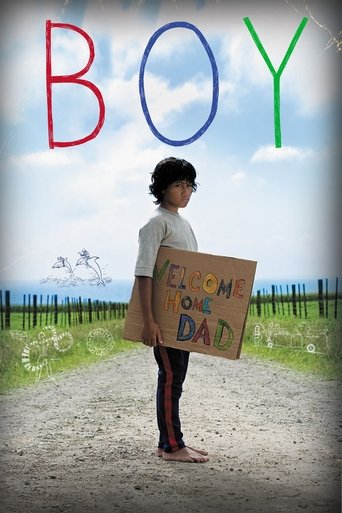
Boy
★ 7.32010
MovieDramaComedy
Boy, an 11-year-old child and devout Michael Jackson fan who lives on the east coast of New Zealand in 1984, gets a chance to know his absentee criminal father, who has returned to find a bag of money he buried years ago.
 Utu · 1983
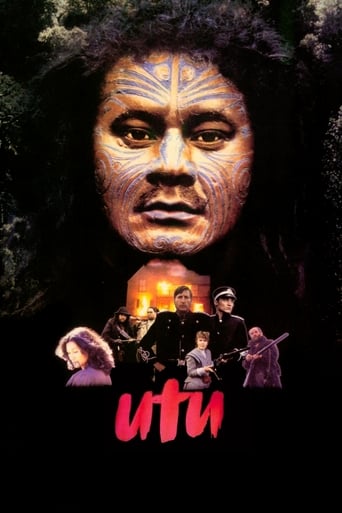
Utu
★ 7.01983
MovieWarAdventure
In New Zealand in the 1860s the native Māori people fought the British colonials to keep the land guaranteed to them by treaty. The warrior Te Wheke fights for the British until betrayal leads him to seek utu (revenge). The settler Williamson in turn seeks revenge after Te Wheke attacks his homestead. Meanwhile Wiremu, an officer for the British, seems to think that resistance is futile.
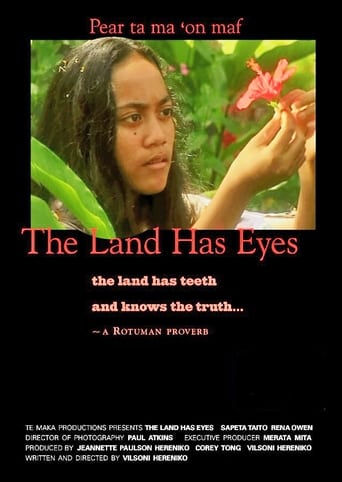 The Land Has Eyes · 2004
The Land Has Eyes
★ 5.82004
MovieDrama
Coming of age story about Viki a young pacific islander attempting to escape the stifling conformity of island culture. Inspired by the myth of the Warrior Woman, Viki recovers from the death of her father and fights for justice and freedom for her community.
 Saving Grace - Te Whakarauora Tangata · 2011
Saving Grace - Te Whakarauora Tangata
2011
MovieDocumentary
Saving Grace - Te Whakarauora Tangata is the final work of director Merata Mita, who passed away suddenly before the film could be completed. The film addresses some of the deepest and most distressing issues Māori communities face, and shows how extraordinary creative solutions are being provided by Māori communities themselves. Mita asks Maori men to front up to some grim realities by talking openly and honestly about the violence and abuse that has plagued their communities for many years. The film is a personal response to this violence, with Mita making a case for a return to an older model of Maori manhood, when men were the ones who sweetly sang the children to sleep. “Merata intended the documentary to count in ways that mattered deeply to her and to change perceptions of abuse and violence by using themes of responsibility, redemption, revitalisation, forgiveness and, most of all, love.” - Carol Hirschfeld, Māori Television.
 Dread · 1996
Dread
1996
MovieDocumentary
An East Coast community in Ruatōria, New Zealand attempts to live in autarchy according to the tenets of their movement. Bob Marley, a prophet of our electronic age, is the soundtrack to the everyday lives of these Māori who feel closer to their own roots by observing a blend of Afro-Carribean Rastafarianism and the Ringatū faith. Merata Mita's camera respectfully portrays this singular cultural dialogue. The outsider cultures of Jamaicans, Ethiopians and Māori have come together, vibrating to a common cosmic chord. They find an underground brotherhood, across continents and seas.
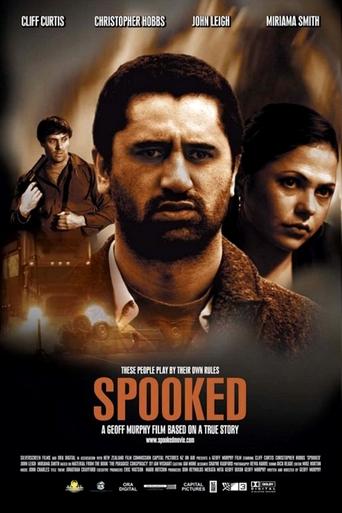 Spooked · 2004
Spooked
★ 8.02004
MovieThrillerDrama
Spooked is a contemporary conspiracy thriller arising from the mysterious death of Kevin Jones, who thought he was just buying second-hand computers, until he looked at the data left on the discs. Was kevin murdered or did he simply get drunk and crash his car? Investigating journalist Mort Whitman says he will find out, even if it kills him. The film is based on material from the book 'The Paradise Conspiracy' by Ian Wishart.
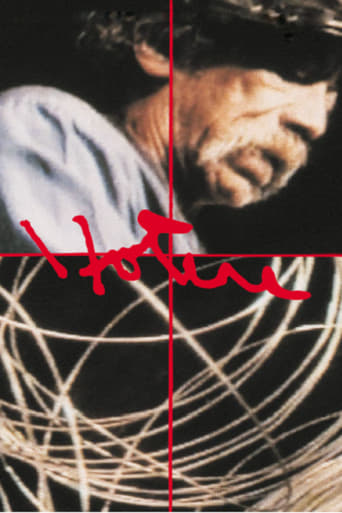 Hotere · 2001
Hotere
★ 7.02001
Movie
Ralph Hotere (Te Aupōuri) is regarded as one of New Zealand's greatest artists. This documentary by Merata Mita provides a perspective on his world, largely by way of framing his extensive body of work. Hotere remains famously tight-lipped throughout, but there are interviews with artists, friends and commentators, alongside scenes of Hotere working and of his contemporary home context. Mita's impressionistic film is set to a Hirini Melbourne-directed score of jazz, Māori and pop songs, and poetry reading by Hotere's first wife Cilla McQueen.
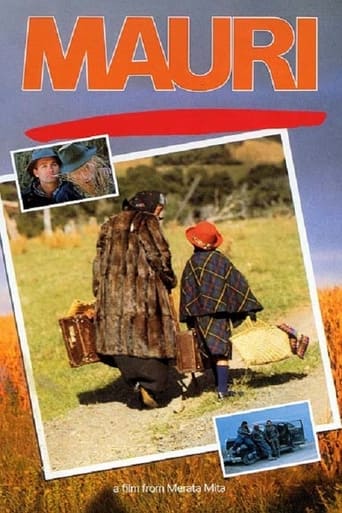 Mauri · 1988
Mauri
★ 6.61988
MovieDrama
Rewi Rapana returns to the small country town of Te Mata after his family has left the district. His arrival rekindles old tensions as well as renewing family ties. He is seeking an identity and a permanent place to call home yet desperately hiding a secret from his past. Oddly enough there is one person with whom he finds peace of mind. She is an old woman known as Kara. A special relationship develops between Rewi, Kara and Kara’s great granddaughter Awatea.
Filmography
Sort