Directing
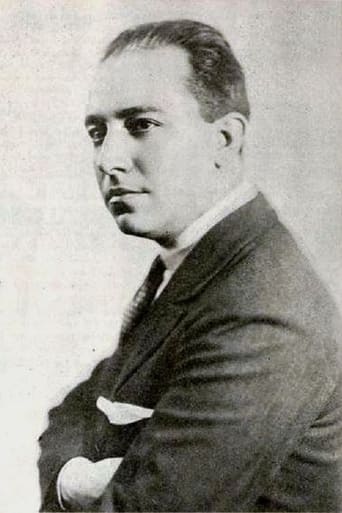
George Archainbaud
Born May 7, 1890 · Parigi, Francia
Died February 20, 1959 · aged 68
No biography available.
Known For
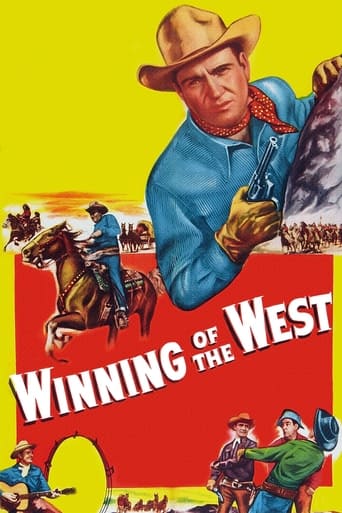 Winning of the West · 1953
Winning of the West
★ 6.01953
MovieWestern
A singing territorial ranger (Gene Autry) spots his younger brother in an outlaw gang.
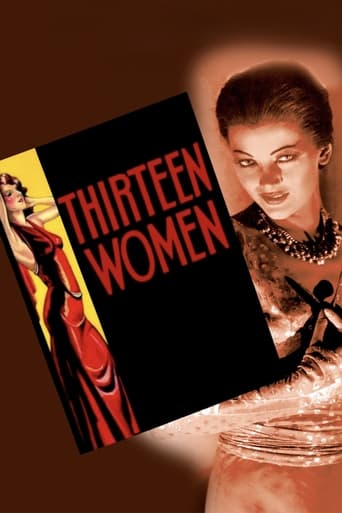 Thirteen Women · 1932
Thirteen Women
★ 6.41932
MovieDramaMystery
Thirteen women who were schoolmates ask a swami to cast their horoscopes. The news they receive is not good for any of them.
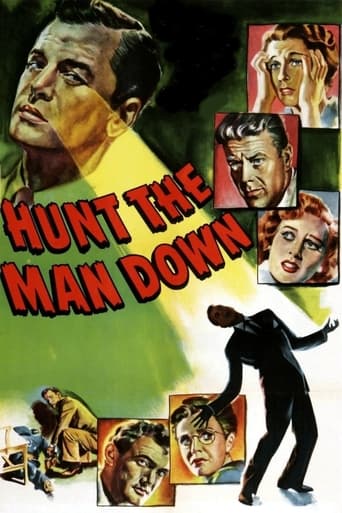 Hunt the Man Down · 1950
Hunt the Man Down
★ 6.31950
MovieMysteryCrime
A lawyer uncovers secrets behind a 12-year-old murder case.
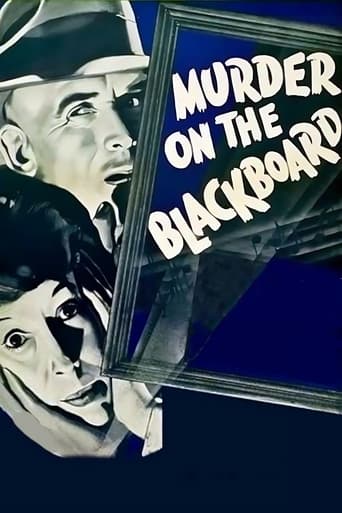 Murder on the Blackboard · 1934
Murder on the Blackboard
★ 6.41934
MovieComedyMystery
There are plenty of guilty secrets at the school where Hildegarde Withers teaches. When she finds the body of the pretty music teacher, she calls in her old friend Inspector Piper, who promptly arrests the obvious suspect. Clues multiply and everyone looks suspicious as Piper and Miss Withers continue their battle of the sexes.
 State's Attorney · 1932
State's Attorney
★ 6.91932
MovieDrama
Corrupt alcoholic attorney Tom Cardigan is one of the best lawyers around, commanding the courtroom like a stage and often winning his cases. Mobster Valentine Powers, who employs Cardigan and put him through school, asks him to represent a woman, June Perry, accused of prostitution. Cardigan agrees. But he never expected to fall for her, which is problematic since he's angling to become governor and will need the right kind of wife.
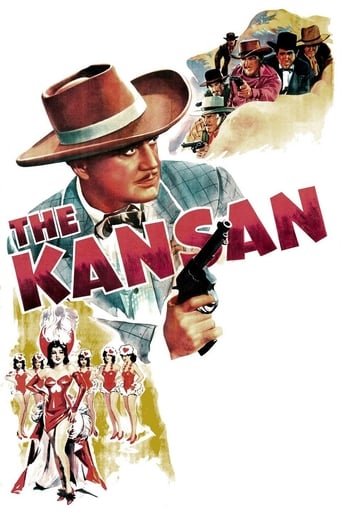 The Kansan · 1943
The Kansan
★ 6.01943
MovieRomanceWestern
Wounded while stopping the James gang from robbing the local bank, a cowboy wakes up in the hospital to find that he's been elected town marshal. He soon comes into conflict with the town banker, who controls everything in town and is squeezing the townspeople for every penny he can get out of them.
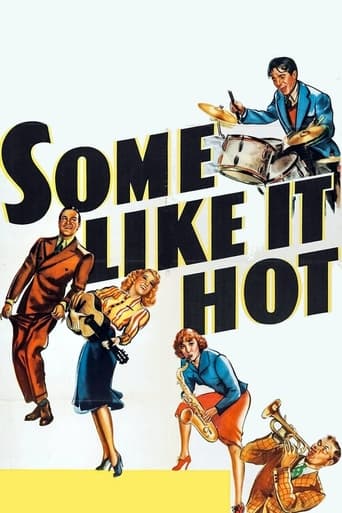 Some Like It Hot · 1939
Some Like It Hot
★ 7.61939
MovieComedyMusic
Nicky Nelson is a fast-talking sideshow barker with a wax-and-alive concession on Atlantic City's boardwalk. Even with the band of his friend, struggling musician Gene Krupa, playing on the sidewalk to attract the customers, "The Living Corpse" and other low-rent acts aren't enough to lure the seen-it-all boardwalk strollers, and the landlord closes the show in lieu of never-paid rent. Nicky, always promoting, goes to Stephen Hanratty, head of the pier's Dance Pavilion, to plug Krupa's band as an attraction, but Hanratty won't even listen to them. But, while there, he meets singer Lily Racquel, who knows he is a phoney but might have the ability to to talk a radio-station manager into giving her an audition. She gives him a ring to help finance the project; he promptly loses it in a crap-game.
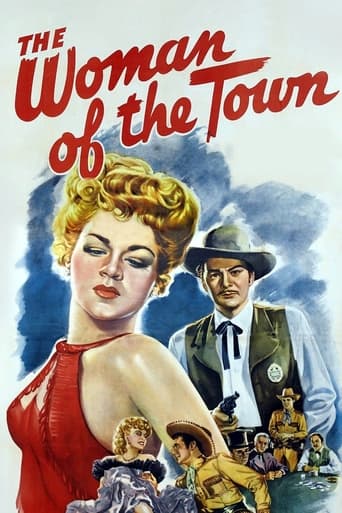 The Woman of the Town · 1943
The Woman of the Town
★ 6.41943
MovieWestern
Bat Masterson, who after failing to secure a job as a newspaper reporter becomes marshal of Dodge City. Preferring socializing to peacekeeping, Masterson falls in love with Dora Hand, the obligatory golden-hearted chorus girl whose concern for the welfare of her fellow citizens at time reaches Madonna-like dimensions. When Dora is shot down cattle baron King Kennedy, Masterson begins taking his job seriously. After taking care of Kennedy, Masterson determines to enshrine the memory of Dora, whose efforts to clean up Dodge City were largely ignored by the "decent" townsfolk.
Filmography
Sort