Directing
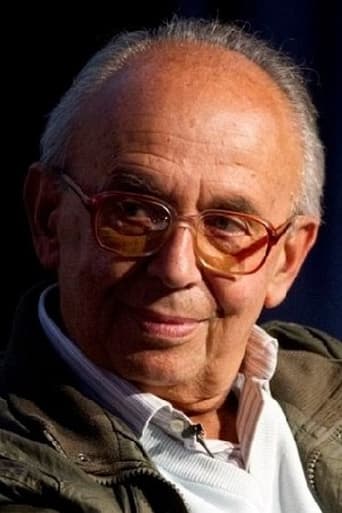
Peter Sasdy
Born May 27, 1935 · Budapest, Hungary (age 91)
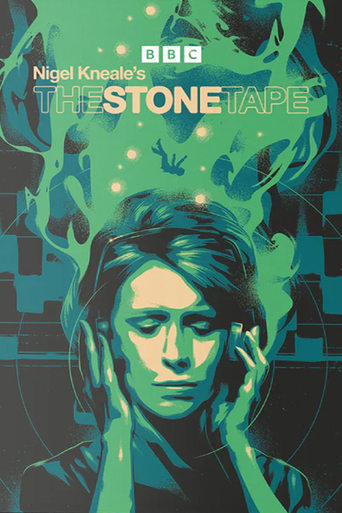
Peter Sasdy (born May 27, 1935) is a British film and TV director. As well as numerous TV credits, notably the Nigel Kneale-scripted The Stone Tape (1972), he directed several horror films for Hammer, including Taste the Blood of Dracula (1969), Countess Dracula (1971) and Hands of the Ripper (1971). He directed Pia Zadora in the cult classic The Lonely Lady (1983), for which he earned a Razzie A…
Known For
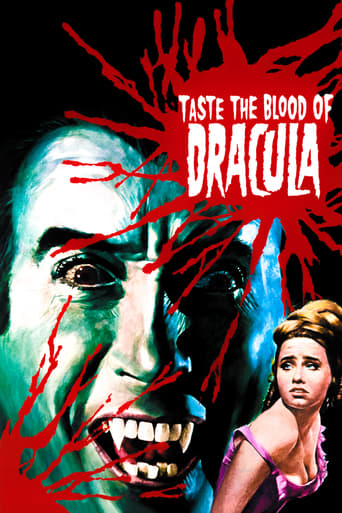 Taste the Blood of Dracula · 1970
Taste the Blood of Dracula
★ 6.11970
MovieHorror
Three elderly distinguished gentlemen are searching for some excitement in their boring borgoueis lives and gets in contact with one of count Dracula's servants. In a nightly ceremony they restore the count back to life. The three men killed Dracula's servant and as a revenge, the count makes sure that the gentlemen are killed one by one by their own sons.
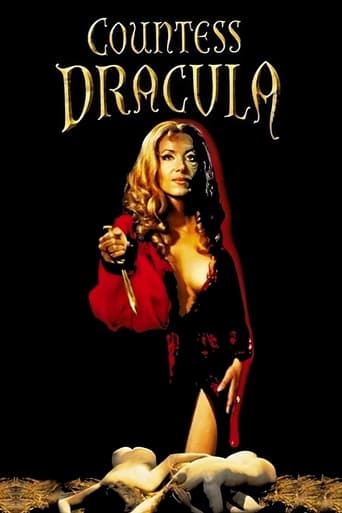 Countess Dracula · 1971
Countess Dracula
★ 5.71971
MovieDramaHorror
Hungary, XVII century. After being widowed, the old countess Elizabeth Nádasdy, of the Báthory lineage, fortunately discovers a way to become young again; but the price to be paid by those around her will be high and bloody.
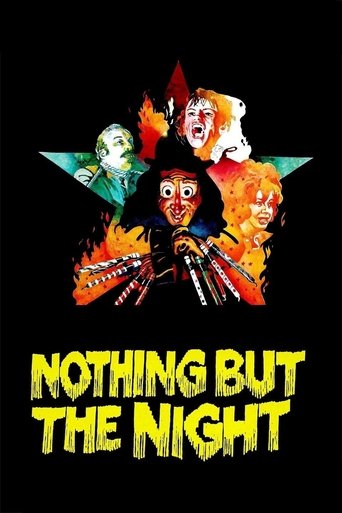 Nothing But the Night · 1973
Nothing But the Night
★ 6.21973
MovieCrimeHorror
When various trustees of the Van Traylen Orphanage begin dying in close order, it's at first written off as a coincidence. But, when a school bus accident very nearly takes out three more of them along with a group of orphans, Col. Bingham and his pathologist friend, Mark, begin looking into the deaths. They come to think the answer lies with one of the girls on the bus, who has vivid memories of things she could not possibly have seen.
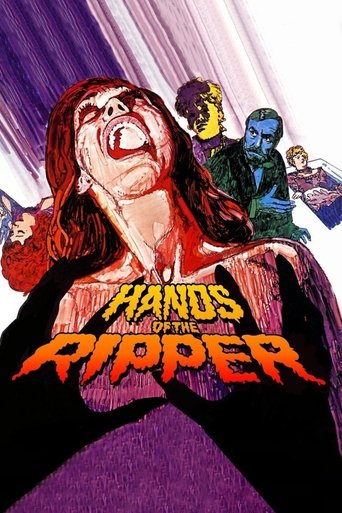 Hands of the Ripper · 1971
Hands of the Ripper
★ 6.21971
MovieHorrorThriller
A series of murders occur that mirror those committed by the Whitechapel Ripper. Through his experiments with psychoanalysis Dr Pritchard discovers a deadly violence in one of his young female patients. As he delves into the recesses of her mind he uncovers that Anna is possessed by her dead father's spirit, willing her to commit acts of gruesome savagery over which she has no control. But the most chilling revelation of all is the identity of her father: Jack the Ripper himself.
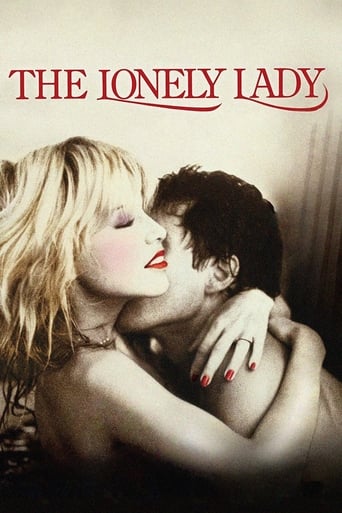 The Lonely Lady · 1983
The Lonely Lady
★ 4.61983
MovieDrama
A young screenwriter allows others to exploit her in the hopes of "making it" in Hollywood.
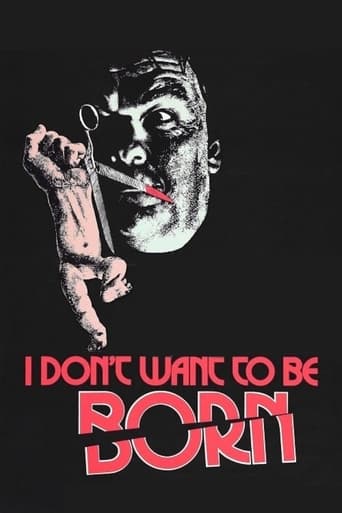 I Don't Want to Be Born · 1976
I Don't Want to Be Born
★ 5.21976
MovieThrillerHorror
A woman gives birth to a baby, but this is no ordinary one. The child is seemingly possessed by the Devil.
 The Eye · 1966
The Eye
1966
MovieScience FictionTV Movie
Julian Clay is accused of murdering Andrew Maddox - a charge he cannot deny because 'The Eye', a device which records the past, saw him do it. However, the law affords one loophole.
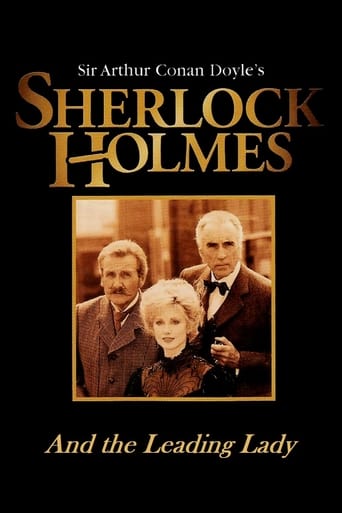 Sherlock Holmes and the Leading Lady · 1991
Sherlock Holmes and the Leading Lady
★ 5.41991
MovieCrimeDrama
Sherlock Holmes and Doctor Watson get involved with Balkan terrorists to save Emperor Franz Joseph I of Austria from an assassination at the opera house and prevent World War I.
Filmography
Sort