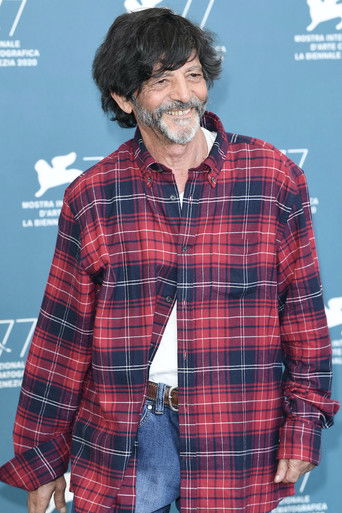
Gavino Ledda

Acting

Gavino Ledda

Born December 30, 1938 · Siligo, Sardinia, Italy (age 87)

No biography available.

Known For
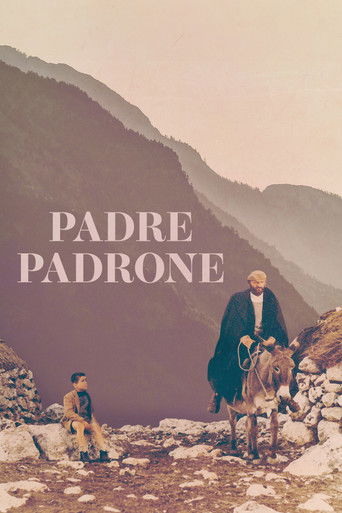
Padre PadronePadre Padrone · 1977
Padre Padrone
6.81977
MovieDrama
The true story of the life of Gavino Ledda, the son of a Sardinian shepherd, and how he managed to escape his harsh, almost barbaric existence by slowly educating himself, despite violent opposition from his brutal father.
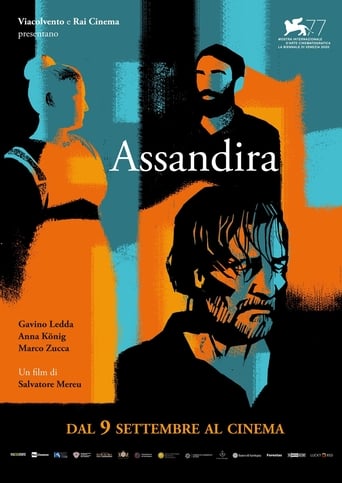
AssandiraAssandira · 2020
Assandira
6.92020
MovieDrama
Soaked to the skin, Costantino sinks into the haystack like old timber left on the shore by a stormy sea. Torrential rain has just put out the fire that in a single night ravaged Assandira, a farmstay deep in the woods of Sardinia. But the rain hasn't quenched the pain, the endless remorse for the son lost to the flames, the son he was unable to save. The first to arrive are the carabinieri and the young investigating magistrate: Costantino tries to tell them what happened the previous night, to explain how it all began.
YbrisYbris · 1984
Ybris
1984
Movie
Writer and director, scholar and philosopher, and now actor playing himself in this autobiographical sequel to Padre Padrone, Gavino Ledda has created an intellectual, avant-garde film that might reach slightly beyond the grasp of audiences looking forward to being entertained but not necessarily enlightened. When he goes back to live in the village of his ancestors, Ledda is equipped with a university degree that alienates him from the peasants, and he is suffering from an ulcer which he cures with the help of Leonardo da Vinci, his imaginary mentor. As Ledda finds himself in the small shepherd's cottage that becomes his home, he is visited by Greek goddesses as well as demons that must be subjugated if he is to continue learning. His own pride, or "hubris" derives from a willingness to dominate these gods, and he is resigned to suffering the inevitable punishments for assuming that arrogant stance.

Filmography

Sort
YbrisYbris · 1984
Ybris
1984
Movie
Writer and director, scholar and philosopher, and now actor playing himself in this autobiographical sequel to Padre Padrone, Gavino Ledda has created an intellectual, avant-garde film that might reach slightly beyond the grasp of audiences looking forward to being entertained but not necessarily enlightened. When he goes back to live in the village of his ancestors, Ledda is equipped with a university degree that alienates him from the peasants, and he is suffering from an ulcer which he cures with the help of Leonardo da Vinci, his imaginary mentor. As Ledda finds himself in the small shepherd's cottage that becomes his home, he is visited by Greek goddesses as well as demons that must be subjugated if he is to continue learning. His own pride, or "hubris" derives from a willingness to dominate these gods, and he is resigned to suffering the inevitable punishments for assuming that arrogant stance.

Director