G
Directing
Gonçalo Tocha
Gonçalo Tocha is a filmmaker and musician. He studied Portuguese Language and Culture at the University of Lisboa and is founder of that university's film club NuCiVo, in which he joined as a director, programmer and producer. His films have been screened at many film festivals and have won awards including the first prize at the DocLisboa International Competition 2011 and Documenta Madrid 2012.
Known For
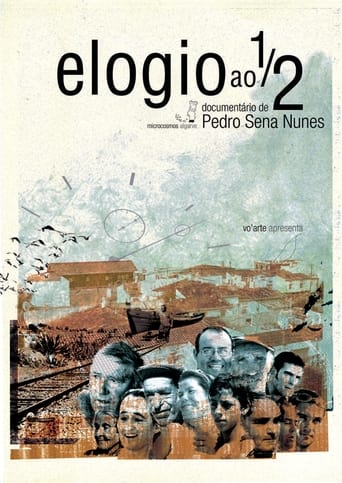 Elogio ao ½ · 2006
Elogio ao ½
2006
MovieDocumentary
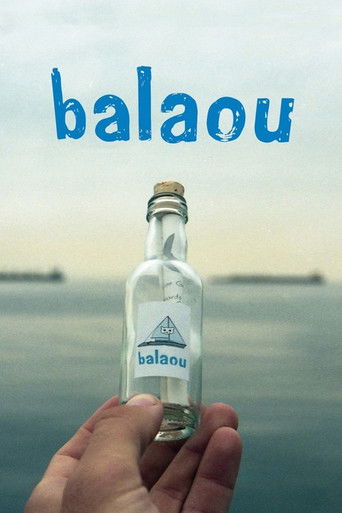 Balaou · 2007
Balaou
★ 5.32007
MovieDocumentary
"It's now seven months over my mother's death. I am facing the S. Miguel island sea, the family land in the Azores. Between the newborn babies, I found my Grandaunt, 91 years old, waiting for her moment to part. At night my family speaks to me of God and death. During the day we swim in the island's volcanic sea, where I meet Florence and Beru, a French couple that is crossing the Atlantic in the Balaou, a sailing boat. They invite me to come with them." Divided in three moments and eight lessons, Balaou is a voyage to accept the oblivion of things.
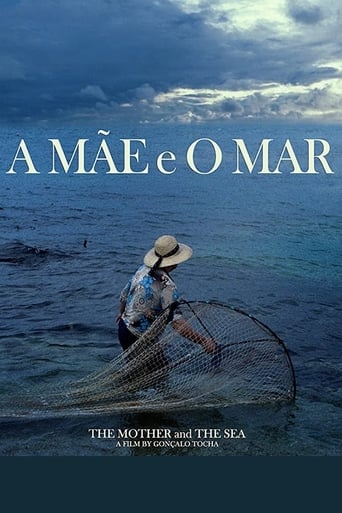 The Mother and the Sea · 2013
The Mother and the Sea
★ 6.32013
MovieDocumentary
Following a real lost myth, in Vila Chã, we search for the sea women called "fisherwomen" in one of the few places in the world where women are skippers. But where are they and the 120 small-scale fishing boats? There are just 8 boats and a single fisherwoman. In a land of brave seamen, we have filmed the passion for the sea and the passion for fishing. - Doclisboa
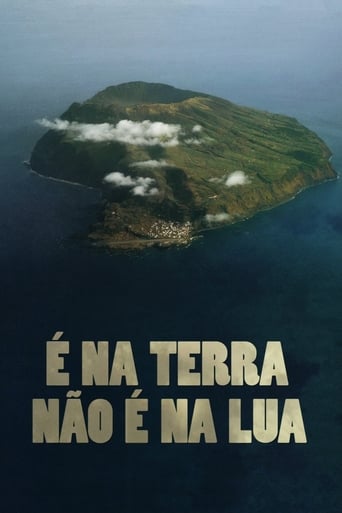 It's the Earth Not the Moon · 2012
It's the Earth Not the Moon
★ 6.52012
MovieDocumentary
A cameraman and a soundman arrive in Corvo in 2007, the smallest island in the archipelago of the Azores. Right in the middle of the Atlantic Ocean, Corvo is a large rock, 6km high and 4km long, with the crater of a volcano and a single tiny village of 440 people. Gradually, this small filming crew is accepted by the island’s population as its new inhabitants, two people to add to a civilization almost 500 years old, whose history is hardly discernible, such is the lack of records and written memories. Shot at a vertiginous pace throughout a few years, self‐produced between arrivals, departures and coming‐backs, “It’s the Earth not the Moon” develops as the logbook of a ship, and turns out as a patchwork of discoveries and experiences, which follow the contemporary life of a civilization isolated in the middle of the sea. A long atlantic film‐odissey, divided in 14 chapters, that combines anthropological records, literature, lost archives, mythological and autobiographical stories.
Filmography
Sort