Directing
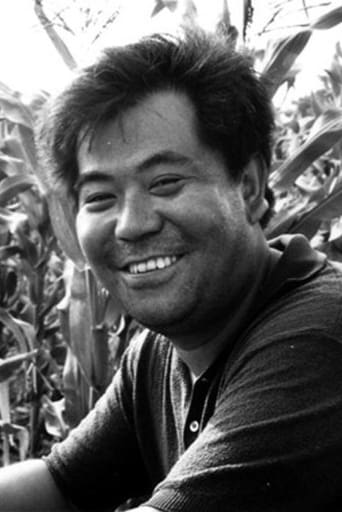
Shinsuke Ogawa
Born June 25, 1935 · Shiba, Minato, Tokyo, Japan
Died February 7, 1992 · aged 56
Shinsuke Ogawa (小川紳介, Ogawa Shinsuke) (25 June 1935 - 7 February 1992) was a Japanese documentary film director. Ogawa and Noriaki Tsuchimoto have been called the "two figures [that] tower over the landscape of Japanese documentary." Ogawa began his career at Iwanami Productions (Iwanami Eiga) making PR (public relations) films alongside other important directors such as Tsuchimoto, Kazuo Kuroki,…
Known For
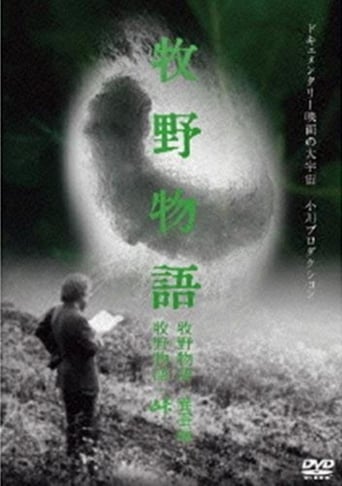 The Magino Village Story: Raising Silkworms · 1977
The Magino Village Story: Raising Silkworms
1977
MovieDocumentary
Ogawa Production Staff, who moved to Makinomura in Yamagata Prefecture, looks at sericulture, sericulture labor, agriculture ... Let's listen to people's words and stare for the sake of staring ...
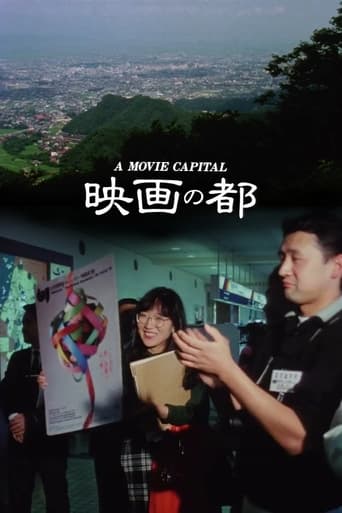 A Movie Capital · 1991
A Movie Capital
★ 6.01991
MovieDocumentary
This film is a record of the first Yamagata International Documentary Film Festival. It reflects the various ways the festival was given shape by nascent global changes embodied by Perestroika, the Tiananmen Square massacre, and many other contemporaneous events.
 The Magino Village Story: Pass · 1978
The Magino Village Story: Pass
1978
MovieDocumentary
This rural documentary features poet Jin Makabe. Thoughts about agriculture, memories, landscapes.
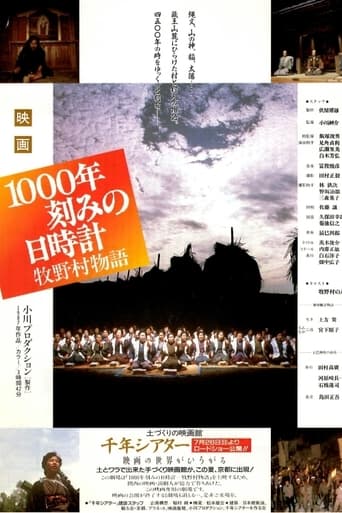 Magino Village: A Tale · 1987
Magino Village: A Tale
★ 6.81987
MovieDocumentaryDrama
The movie compiles footage taken by Ogawa Production for a period of more than ten years after the collective moved to Magino village. Unique to this film are fictional reenactments of the history of the village in the sections titled "The Tale of Horikiri Goddess" and "The Origins of Itsutsudomoe Shrine". Ogawa combines all the techniques that were developed in his previous films to simultaneously express multiple layers of time—the temporality of rice growing and of human life, personal life histories, the history of the village, the time of the Gods, and new time created through theatrical reenactment—bring them into a unified whole. The faces of the Magino villagers appear in numerous roles transcending time and space—sometimes as individuals, sometimes as people who carry the history of the village in their memories, sometimes as storytellers reciting myths, and even as members of the crowd in the fictional sequences.
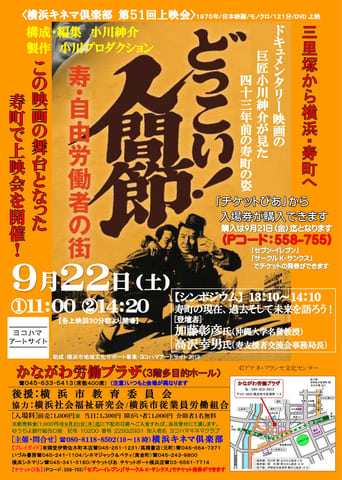 Dokkoi! Songs from the Bottom · 1975
Dokkoi! Songs from the Bottom
1975
MovieDocumentary
After the waning of the protests in Sanrizuka, Ogawa Pro started questioning the future of the collective and looking for other subjects to film. Following the method developed in the previous films, the filmmakers moved to the slum of Kotobuchi in the port city of Yokohama, where more than 6000 people were struggling to get by without any means of survival, exposed to industrial accidents and diseases. The result is one of the most moving films produced by the collective, a series of beautifully filmed portraits, voicing the silenced stories and songs of a group of people living in this community. Credit: ICA London
 The Oppressed Students · 1967
The Oppressed Students
★ 6.81967
MovieDocumentary
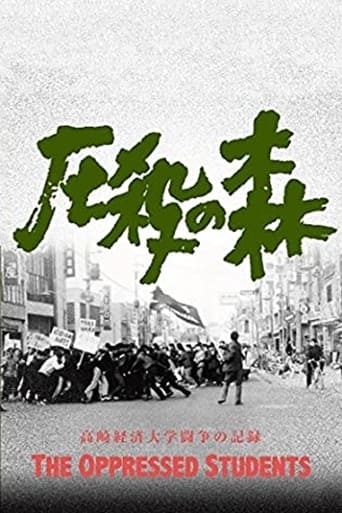
A galvanising documentary about the organised resistance of a group of students barricaded at the Takasaki City University of Economics. The university student struggles at the end of the 1960s in Japan were the culmination of over a decade of protests, social dissent and political unrest. All this gave energy to the student movement, which displayed original and sustained forms of organisation and resistance against the government and which would spread to universities all over the country. Together with the filmmakers of the recently formed collective Jieiso, Ogawa Shinsuke joined a group of students barricading themselves inside the Takasaki City University of Economics. Shot over the course of a year, this film documents the nature of the political discussion and organisation as well as the fierce debates going on among the students and their violent struggles with the authorities. Credit: ICA London
 Sanrizuka: Heta Village · 1973
Sanrizuka: Heta Village
★ 6.31973
MovieDocumentary
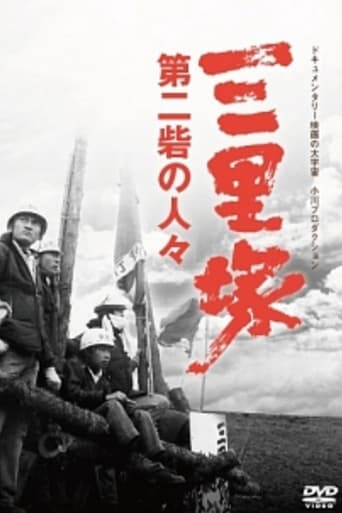
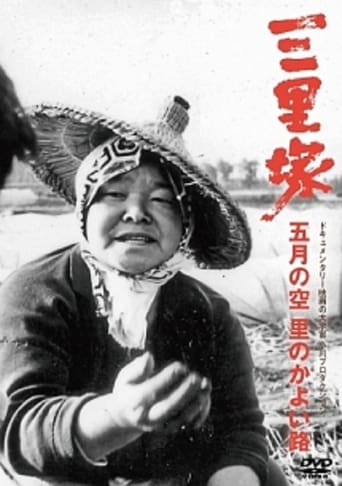
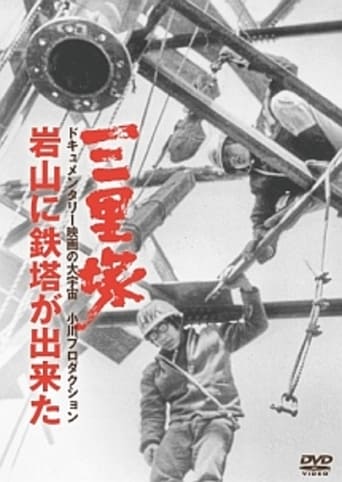
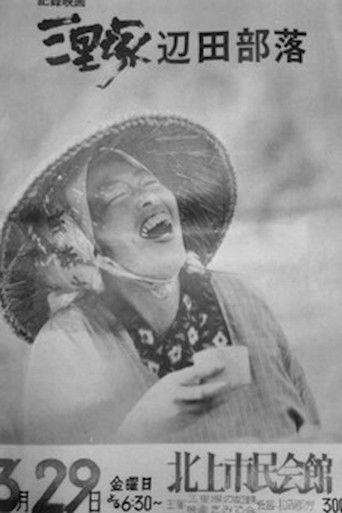
Shinsuke Ogawa documentary about the life of the farmers in Heta Village opposing their resettlement due to the construction of Narita Airport.
 Red Persimmons · 2001
Red Persimmons
★ 8.02001
MovieDocumentary
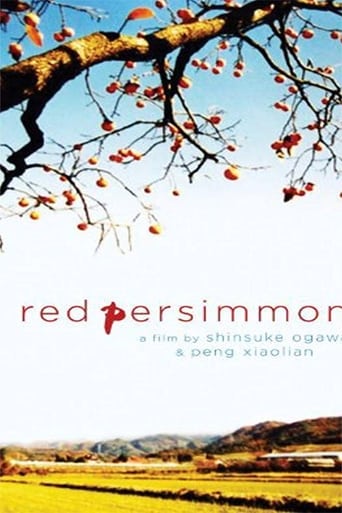
The ostensible subject of this film is the growing, drying, peeling and packaging of persimmons in the tiny Japanese village of Kaminoyama. The inhabitants explain that it is the perfect combination of earth, wind and rain that makes their village’s persimmons superior to those grown anywhere else, including the village just a few miles away. The film’s larger subject, however, is the disappearance of Japan’s traditional culture, the end of a centuries-old way of life.
Filmography
Sort